
When emergencies happen, access to fresh food can disappear quickly. Power outages, severe storms, supply chain disruptions, and natural disasters can all leave families scrambling for essentials. That’s why building a dependable emergency food storage plan is one of the smartest preparedness steps you can take.
At Get Ready Outfitter, we believe preparation brings peace of mind. Whether you’re preparing for short-term emergencies or long-term disruptions, having the right emergency food supply helps protect your family and reduce stress when it matters most.
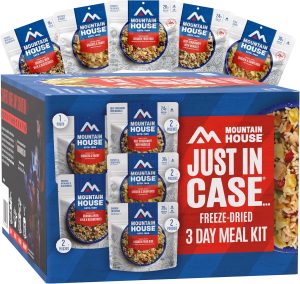
Government preparedness experts recommend storing several days’ worth of non-perishable food and water for emergencies. However, many preparedness-minded families choose to store several weeks or even months of food to stay ready for extended situations.
A well-planned food storage system can help you:
Not all emergency food products are created equal. The best survival food kits combine several important features:
High-quality emergency food should remain safe and usable for years when properly stored. Many freeze-dried and dehydrated foods can last decades under ideal conditions.
During emergencies, simple meal prep matters. Foods that only require water and minimal cooking are ideal for disaster readiness.
Compact, stackable food containers make it easier to organize supplies in closets, garages, basements, cabins, RVs, or bug-out locations.
An emergency food supply should provide enough calories, protein, and carbohydrates to maintain energy during stressful situations.
Preparedness communities consistently recommend storing foods your family already enjoys. Familiar meals can boost morale and make difficult situations more manageable.
Preparedness experts often recommend combining multiple food storage methods for flexibility and variety.
Freeze-dried meals are lightweight, long-lasting, and easy to prepare. They are popular because they maintain flavor and nutritional value while offering excellent shelf life.
Dehydrated soups, rice dishes, oatmeal, pasta, and powdered milk are affordable and practical options for long-term storage.
Many experienced preppers also recommend building a “deep pantry” using foods you regularly eat, such as:
This rotation system helps reduce waste while keeping your emergency supplies fresh.
Storage conditions make a huge difference in shelf life. For best results:
Some preparedness discussions online note that excessive heat can shorten the lifespan of emergency food products. Climate-controlled indoor storage is usually the safest option.
If you want a simple way to begin building your emergency preparedness plan, the 30-Day 1-Person Emergency Food Supply available from Get Ready Outfitter offers an easy starting point.
This emergency food kit includes:
The compact design makes it ideal for homes, cabins, RVs, and emergency storage areas.
Emergency preparedness does not have to be overwhelming. Starting small is often the best approach. Even a modest food supply can make a major difference during unexpected events.
Building your emergency food storage now means you’ll be better prepared for tomorrow — whether you’re facing severe weather, power outages, supply shortages, or outdoor survival situations.
Explore reliable emergency food storage options at Get Ready Outfitter Emergency Food & Storage and take the next step toward greater preparedness today.