
Whether you’re planning a weekend camping trip, building a bug-out bag, or simply spending more time outdoors, survival skills are no longer just for hardcore adventurers. Knowing the basics can make the difference between panic and confidence when conditions suddenly change.
At Get Ready Outfitter, we believe preparedness starts with practical knowledge. The good news? You don’t need years of wilderness experience to begin learning the fundamentals.
Here are seven essential outdoor survival skills every beginner should master.
Water is your top survival priority. Most people can only survive a few days without it, especially in hot or physically demanding environments. Survival experts consistently emphasize water procurement and purification as one of the first skills beginners should learn.
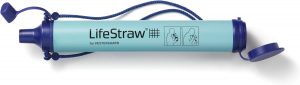
Even clear-looking water may contain harmful bacteria or parasites, so purification is critical.
Exposure is one of the most common dangers in wilderness emergencies. A simple shelter can protect you from wind, rain, cold temperatures, and heat exhaustion.
According to wilderness survival communities, many outdoor emergencies become dangerous because people are unprepared to spend an unexpected night outdoors.
A good survival shelter should:
Fire provides warmth, light, signaling ability, water purification, and morale. It’s one of the most important survival tools available.
Practice starting fires in:
The more conditions you train in, the more confident you’ll become.
GPS devices and phones can fail unexpectedly. Every outdoor enthusiast should know how to navigate using:
Many survival instructors emphasize that panic and poor decisions create bigger problems than the wilderness itself.
Mindset is often overlooked, but experienced survival instructors frequently describe it as the most important survival tool of all.reminding people to always check weather conditions, wear a properly fitted life jacket, have a reliable communication device and make sure someone knows your planned route and expected return time before going out on the water.
Staying calm allows you to:
Food is important, but beginners often focus on it too early instead of handling immediate dangers first.
You don’t need expensive equipment to be prepared, but a few reliable tools can dramatically improve your safety.
Reliable gear should prioritize durability and practicality over gimmicks.
Reading survival articles is valuable, but hands-on practice matters most. Many experienced outdoor communities recommend learning skills gradually in controlled environments before relying on them in real situations.
Preparedness is a skillset built through repetition and experience.
Outdoor survival isn’t about fear — it’s about confidence, preparation, and self-reliance. The more skills you develop now, the more capable you’ll be when challenges arise.
Whether you’re an avid camper, prepper, hiker, or simply someone who values readiness, learning these foundational survival skills is a smart investment in your safety and peace of mind.
Explore more survival gear, emergency essentials, and preparedness tools at Get Ready Outfitter Safety & Survival Collection.