
A quiet campsite, a charged phone on a long trail, a working radio during an outage: dependable power can make outdoor adventures safer and emergencies easier to manage. Portable energy options give campers, overlanders, RV travelers, and preparedness-minded households new ways to power essential devices without relying only on a wall outlet or fuel-powered generator.
The right setup depends on what you need to run, for how long, and where you’ll use it. Here’s a practical guide to portable solar, battery power, and other off-grid options—without assuming one system fits every trip or emergency.
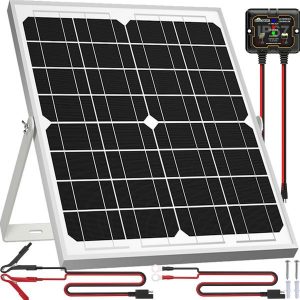
In this guide, alternate energy means power options beyond standard grid electricity or a conventional fuel generator. For people on the move, the most practical choices are usually:
Solar panels produce electricity from sunlight, while batteries store energy for later use. Because sunlight varies with time, weather, shade, and panel placement, solar charging is best treated as one part of a power plan—not a guaranteed source of power on demand.
Battery power stations run without the engine noise of a fuel generator while supplying compatible devices. That can be useful at campgrounds, trailheads, and quiet basecamps. Check campground rules before using any power equipment, and be considerate of nearby campers.
A portable system may help keep phones, GPS units, lights, radios, and other compatible equipment charged. Some models can also run higher-draw devices, but actual runtime depends on the device’s power demand, the station’s usable capacity, and conversion losses. Check the manufacturer’s specifications before relying on a system for a particular appliance or medical device.
Pairing a power station with solar panels can give you another way to recharge when you’re camped away from grid power. It can also reduce how often you need to recharge from a vehicle or bring fuel for a conventional generator. Solar output varies with conditions, so plan for cloudy weather, shade, and reduced daylight.
Portable batteries can support selected devices during an outage, provided the equipment is compatible and the battery has enough capacity. They are not automatically a substitute for a whole-home backup system. If anyone in your household depends on powered medical equipment, ask the equipment provider or clinician about a reliable backup plan and follow the device manufacturer’s power requirements. Ready.gov recommends planning ahead for electricity-dependent medical and assistive devices.
Start with the devices you consider essential. Note each device’s wattage and how many hours or charges you expect to need. Small electronics may need modest amounts of energy; appliances that heat, cool, or compress air can demand substantially more.
A power station’s capacity, usually shown in watt-hours (Wh), indicates how much energy it stores. Its output, measured in watts (W), indicates how much power it can deliver at once. A device can exceed the station’s output limit even when the station has ample stored energy. Compare both ratings with your devices’ requirements, and allow for energy lost during conversion and use.
For a weekend campsite with regular sun, a smaller battery paired with a compatible folding panel may be enough for basic electronics. For longer trips or larger loads, you may need more battery capacity, more panel input, or another charging option. Review the station’s supported solar input, connectors, and charging limits before buying panels.
Think about where you’ll set up the panels, how much shade you expect, and whether you can safely leave equipment in the sun. For backpacking, weight and packability may matter more than a large capacity. For vehicle camping or home backup, a heavier setup may be practical if it meets your needs.
Use the included charger and compatible accessories, protect equipment from water unless it is specifically rated for exposure, and follow the manufacturer’s guidance for operating and storing batteries. The U.S. Fire Administration advises choosing certified products, handling batteries carefully, and following safe charging and storage practices.
A portable power station is quiet at the point of use and does not produce exhaust while supplying power. It still needs to be charged, and its available energy is limited by its capacity and recharge conditions. A fuel generator can provide power while it has fuel, but it produces exhaust and requires careful outdoor operation.
Never run a fuel generator indoors, in a garage, or in another enclosed or partly enclosed space. Keep it outdoors and away from doors, windows, and vents, and follow the manufacturer’s instructions. The U.S. Fire Administration warns that improper generator use can cause carbon monoxide poisoning.
Portable energy can support a lower-impact trip, but it doesn’t replace good outdoor habits. Pack out batteries, packaging, and other waste; camp on durable surfaces; and follow local rules for equipment and campsite use. Leave No Trace guidance emphasizes planning ahead, minimizing impact, and packing out what you bring in.
Alternate energy can make outdoor travel more flexible and help households prepare for selected power needs. Begin with the devices you want to run, compare their requirements with a system’s capacity and output, and choose charging options that fit your trip or backup plan. A realistic setup is one you understand, can recharge under expected conditions, and have tested before you depend on it.
At Get Ready Outfitter, we believe preparedness starts with knowing what you need and choosing equipment that fits the way you travel and live. Whether you’re planning an off-grid weekend or preparing for a power outage, a thoughtful power plan can help you stay connected and ready for what comes next.
Which product category should the article point readers to—portable power stations, solar panels, or backup kits? I’ll tailor the product mentions and closing call to action to your catalog.
Alternate energy is no longer just a niche technology for hardcore survivalists or environmentalists. It’s becoming a practical everyday solution for campers, hikers, RV travelers, and anyone who values preparedness and self-reliance.
Whether you’re building an emergency backup system or planning your next off-grid adventure, renewable energy offers freedom, reliability, and peace of mind.
At Get Ready Outfitter, we’re excited to see how alternate energy continues transforming the outdoor experience — helping adventurers stay ready for anything while protecting the wild places we all love.